The Real Problem
Selatan Group had been trying to rebuild its enterprise portal for a year. The project had budget, engineers and urgency — what it didn't have was one product. Eight department heads each carried a different mental picture of what the portal actually was, and every review meeting quietly surfaced a ninth.
On paper, everyone agreed. In practice, each department was designing a different product that happened to share a name. Requirements multiplied, decisions got revisited, and twelve months in, nothing had shipped.
The real blocker wasn't the interface. Nobody had ever put the eight pictures side by side and looked at where they disagreed — politeness was keeping the conflict invisible, and the invisible conflict was keeping the project frozen.
Finding the Fix
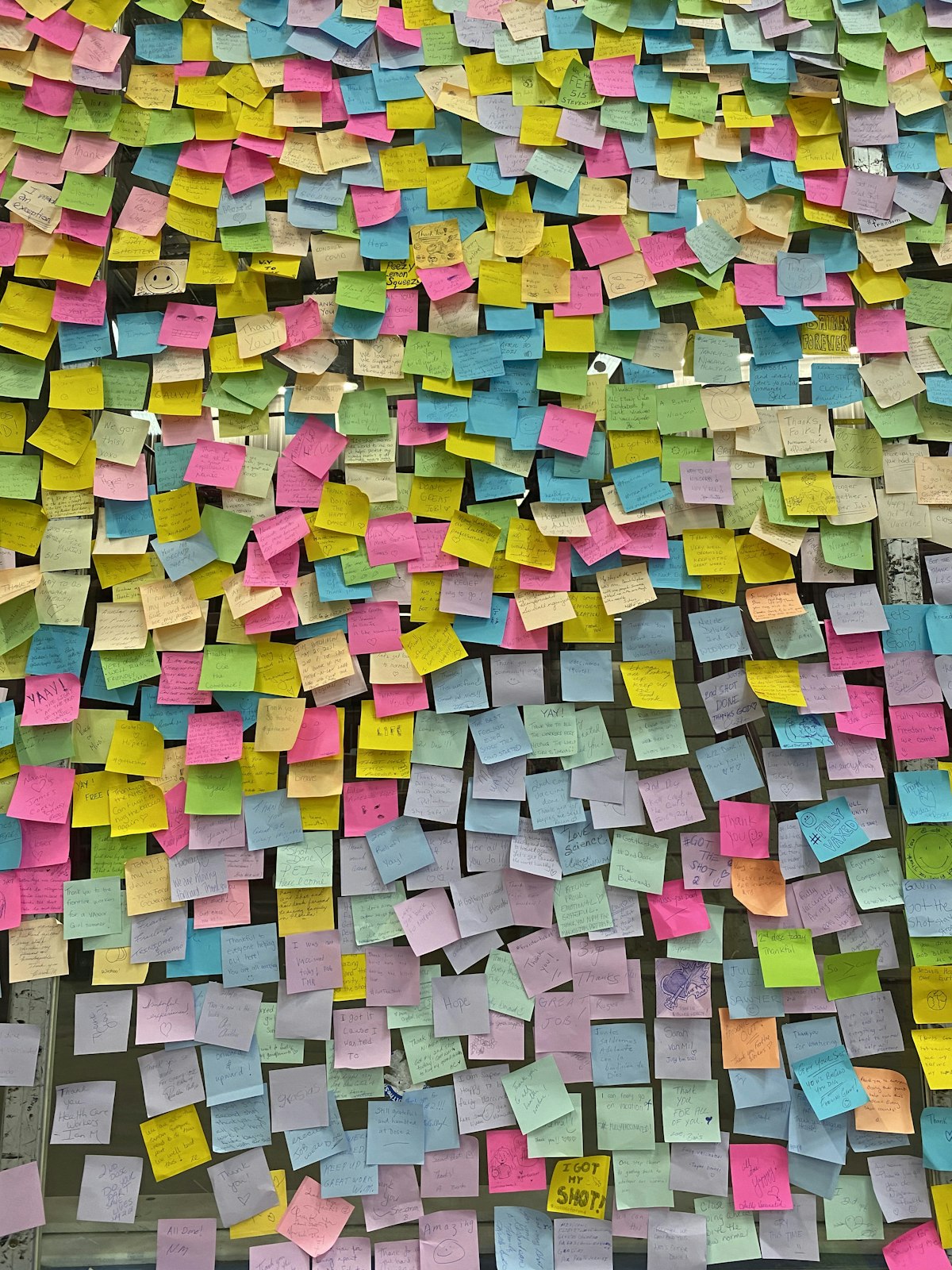
So instead of opening Figma, I opened a workshop calendar. I ran mapping sessions with all eight stakeholders — not to gather requirements, but to draw what each of them believed the product was. Then we built one journey map on a wall: every step, every department, all in one place.
The wall did the arguing for us. Where the eight pictures matched, the map showed it. Where they clashed, it showed that too — visibly, in front of everyone, instead of politely in separate meetings. A disagreement you can point at is a disagreement you can resolve.
What Actually Happened
Once the conflicts were on the wall, scoping stopped being a negotiation and became an observation. Three journeys appeared on every department's version of the map, so that became v1 — not the portal everyone wanted, the portal all eight actually shared.
With the fight settled, the design work moved fast. The team had a single story to build against, and reviews turned from re-litigating the vision into checking screens against the map.
What Changed
The portal shipped in sixteen weeks — after twelve months of nothing. Eight stakeholders who had spent a year talking past each other signed off on one product story, and v1 went out with the three journeys they all shared.
What I Had to Work With
The constraint on this project was politics, not pixels. Eight departments, eight sets of priorities, and a year of accumulated frustration in every meeting room. The strategy had to work inside that reality: make disagreements visible, keep them about the map instead of the people, and scope v1 to what everyone already agreed on.
What I'd Do Differently
Get the map on the wall sooner. The workshops were what unstuck the project, and every week before them was a week the wall could have been doing the arguing. When a project has been frozen this long, the first deliverable shouldn't be a design — it should be the room where the real disagreement can finally happen.
What I Learned
The most important artifact on this project was a wall of journeys that never shipped to anyone. It's also the reason anything shipped at all.
This is sample content for portfolio purposes — the projects on this page are fictional placeholders.
Open to contract work, full-time roles, and long conversations about difficult design problems.
👍 1